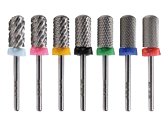
NAIL DRILL BITS Customization: OEM vs ODM Key Differences | |||
| Dimension | OEM (Custom Manufacturing) | ODM (Private Label / Stock Selection) | Key Difference |
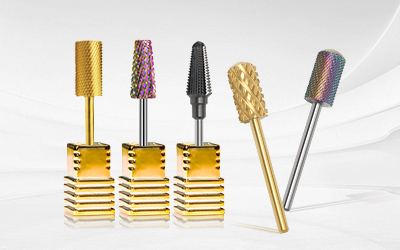
| 1. Grit Size | Fully customizable. You specify the exact mesh size, abrasive type (diamond, ceramic, etc.) | Limited selection. You choose from the factory’s existing standard grit options; hard to break away from established processes. | OEM lets you create unique cutting performance; ODM uses mature, generic solutions. |
| 2. Left/Right Hand | You can design the shank grip for left- or right-handed operation based on ergonomics, or specify left/right rotation direction. | Generally not supported. Most ODM tooling is symmetrical and does not distinguish between hands. | A key OEM advantage for creating truly professional tools; ODM is essentially impossible here. |
| 3. Color | Fully customizable. You can specify a Pantone color for the head coating, shank color ring, or overall appearance. | Limited options. Usually you can only change the color ring, or pick from existing model finishes. Base material color cannot be altered. | OEM achieves a true brand-owned color; ODM creates visual separation through an identifier. |
| 4. Shank Length | Any length. | Standard specifications only. You choose from the factory’s existing mould lengths, such as standard or extended. | Special lengths require OEM; standard lengths are faster with ODM. |
| 5. Chamfer | Machined to your drawing. You specify the exact chamfer angle and size on the working edge to control sharpness and durability. | Follows the common mould. The chamfer shape is determined by the existing mould and cannot be changed. | OEM fine-tunes machining effect through chamfer geometry; ODM is a standard design. |
| 6. Logo | Produced from your artwork. Supports complex graphics, special fonts, and processes like laser marking or pad printing. | Your brand is added. Usually printed in a reserved area; size and process are limited by the product surface. | Both achieve brand visibility, but OEM offers much higher design freedom. |
| 7. Tooth Profile | Exclusive tooling. You can design a unique tooth shape, angle, and arrangement, building a technical barrier. | Choose from the common mould library. You select from the factory’s existing tooth profiles; you cannot create a new structure. | Tooth profile is the core performance differentiator; developing an exclusive profile requires OEM. |
| 8. Packaging | Full solution design. You can customize box type, material, inner tray, manual, and all related items. | Use common packaging. Often the factory’s generic box, with your logo added, or selected from existing packaging options. | OEM builds a complete branded unboxing experience; ODM is a low-cost, standardized approach. |
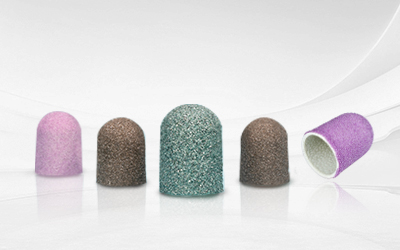
Sanding Bands Customization: OEM vs ODM Key Differences | |||
| Dimension | OEM (Custom Manufacturing) | ODM (Private Label / Stock Selection) | Key Difference |
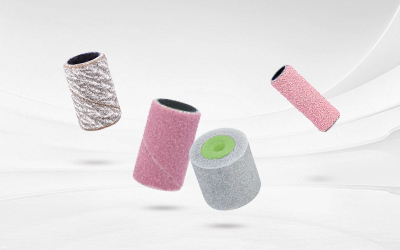
| 1. Grit Size | Deep customization. You specify abrasive type (aluminum oxide, silicon carbide, ceramic, etc.), exact mesh size, mixed-grit formula, and bond. | Limited selection. You pick from the factory's standard grit specs; hard to optimize for niche materials. | OEM tunes optimal cutting performance for specific workpieces; ODM offers a one-size-fits-all solution. |
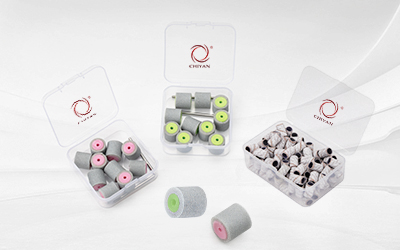
| 2. Packaging | Fully independent design. Box type, material, inner tray, and manual can all be customized to your brand. | Uses common packaging. The factory’s generic box with your logo added, or selected from existing options. | OEM builds a complete unboxing experience; ODM is a low-cost, standardized branding approach. |
| 3. Color | Fully customizable. You can specify the base fabric color, printed ring, or brand color, with Pantone matching. | Limited adjustment. Usually only the printed color or ring can be changed; the base material color is fixed. | OEM achieves a true brand-owned color; ODM uses color coding to distinguish grits and series. |
| 4. Dimensions | Precise to the millimeter. Custom inner diameter × outer diameter × height to fit non-standard rubber expanding drums or automated fixtures. | Standard specs only. You choose from the factory's existing dimension combinations, such as the common 25mm inner diameter series. | Special dimensions require OEM; standard sizes with ODM mean faster setup and lower MOQ. |
Nail Dril Customization: OEM vs ODM Key Differences (Logo / Color / Packaging) | |||
| Dimension | OEM (Full Machine Customization) | ODM (Private Label / Stock Selection) | Key Difference |
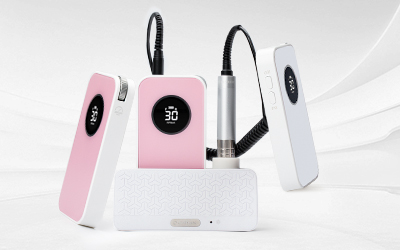
| 1. Logo | Deep customization. You can create a 3D nameplate, in-mould embossing, or specify laser marking/silk screening at exact locations, using your artwork. Font, size, and process are fully under your control. | Brand addition. Usually printed on a reserved flat area. Position and size are fixed. Process options are limited, typically silk screen or pad printing. | OEM integrates logo texture into the design; ODM is more like "putting a sticker on it." |
| 2. Color | Fully customizable. You can specify a Pantone color for the housing. This often means the color is mixed at the raw material stage, ensuring zero color variation. You can match accessories like the auxiliary handle. | Limited choice. You typically pick from a few existing housing colors the factory offers. A completely new color is hard to achieve due to mould and material inventory constraints. | OEM creates a signature brand color, making your tool instantly recognizable; ODM uses the factory's standard colors. |
| 3. Packaging | Full solution design. You can customize the color box, blow-mold case, carrying bag, inner tray, and all printed materials. The unboxing experience is built entirely around your brand positioning. | Uses common packaging. Mostly the factory's generic color or kraft box with your logo added, or selected from existing options. | OEM turns packaging into a marketing tool; ODM offers basic shipping protection and identification. |
Nail Brush Customization: OEM vs ODM Key Differences (Bristle Length, Density, Ferrule Width, Handle, Logo, Packaging) | |||
| Dimension | OEM (Custom Manufacturing) | ODM (Private Label / Stock Selection) | Key Difference |
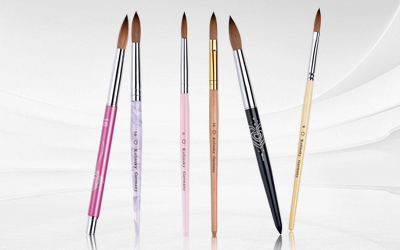
| 1. Bristle Length | Fully customizable. You can specify the exposed length (L1) and overall length down to the millimeter, matching deep holes, narrow slots, or automated machinery workspaces. | Limited standard. You only pick from the factory's existing mould-based lengths; no custom variations. | OEM avoids interference and optimizes efficiency; ODM offers a generic design. |
| 2. Bristle Density | Engineered to order. You control fill density (filaments per unit area) or specify a target weight to adjust flexibility and cutting force. Can blend different filament diameters. | Uses common mould density. Determined by the existing hole count and fill rate of the factory's moulds; non-adjustable. | OEM fine-tunes the “stiffness” feel and performance; ODM cannot alter it. |
| 3. Ferrule Width | Precision tooling. You specify the metal ferrule's inner/outer diameter and wall thickness, even custom shapes (round, waisted, profiled) to fit non-standard collets or unique twisting processes. | Standard tube sizes only. You choose from the factory's existing ferrule spec library (e.g., standard 6mm shaft). | The interface dimension determines tool compatibility; non-standard ferrules require OEM. |
| 4. Handle | Full material & shape customization. Options for wood, plastic, or metal handles. You can design an ergonomic grip, anti-slip texture, hanging hole position, and specify color and finish. | Pick from existing handle models. Choose from a few standard handles the factory offers; material, shape, and color are limited by stock. | OEM creates a signature hand-tool look; ODM uses generic market moulds. |
| 5. Logo | Deep customization. Laser, hot stamping, or pad printing based on your artwork, even embossed on the metal ferrule. Supports debossed/embossed text and complex graphics. | Brand addition. Usually printed on a reserved flat area of the handle; position, size, and process (often simple pad printing) are fixed. | OEM makes brand texture part of the design; ODM is standardized marking. |
| 6. Packaging | Full solution design. You can customize the insert card, hang bag, color box, display box, and all printed materials for a consistent unboxing experience. | Uses common packaging. Typically the factory's generic polybag, hang card, or white box with your logo added. | OEM turns packaging into a display and marketing tool; ODM meets basic protection and identification needs. |
Copyright © Shanghai Chiyan Abrasives Co., Ltd. All Rights Reserved Sitemap | Technical Support: